

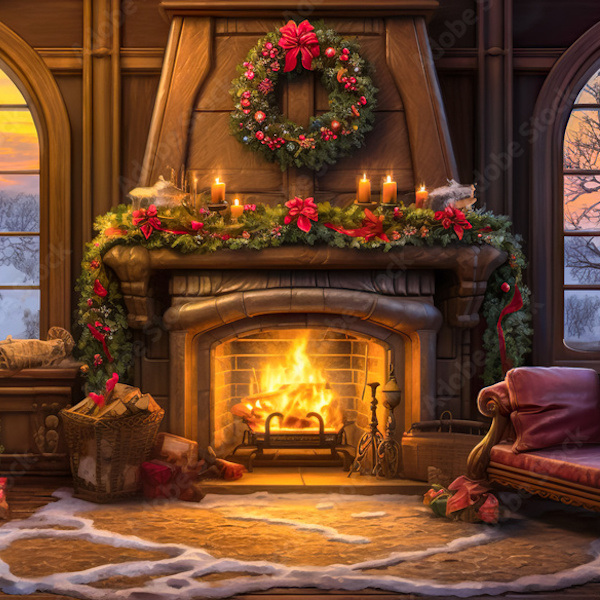
Wood-burning fireplaces have always been more than just a source of heat. During the Christmas season, the fireplace transforms into a symbol of coziness, family warmth, and holiday magic. In this article, we will explore the historical role of fireplaces in Christmas traditions across different countries and their significance in Ukrainian culture.
Historical Origins: Fireplaces and Christmas
The history of Christmas traditions is closely intertwined with customs and daily life practices that have shaped the festive atmosphere over the centuries. One of the essential elements is the Christmas fireplace—a centerpiece of the home that combines the practical function of heating with profound symbolism. Delving into the origins of the Christmas fireplace, we immerse ourselves in the world of medieval customs, legends, and cultural practices.
Fireplaces in Medieval Europe
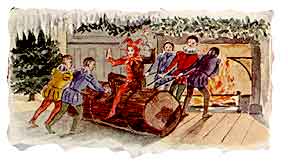
In medieval Europe, fireplaces played a crucial role in daily life, serving as the heart of the home where families gathered for warmth and cooking. During the winter season, particularly at Christmas, the fireplace became a focal point for festive rituals. Many regions observed the tradition of burning the “Yule log,” which symbolized family protection and continuity of life during the cold season. This ritual, with pagan origins, was later incorporated into Christian traditions.
The Legend of Saint Nicholas
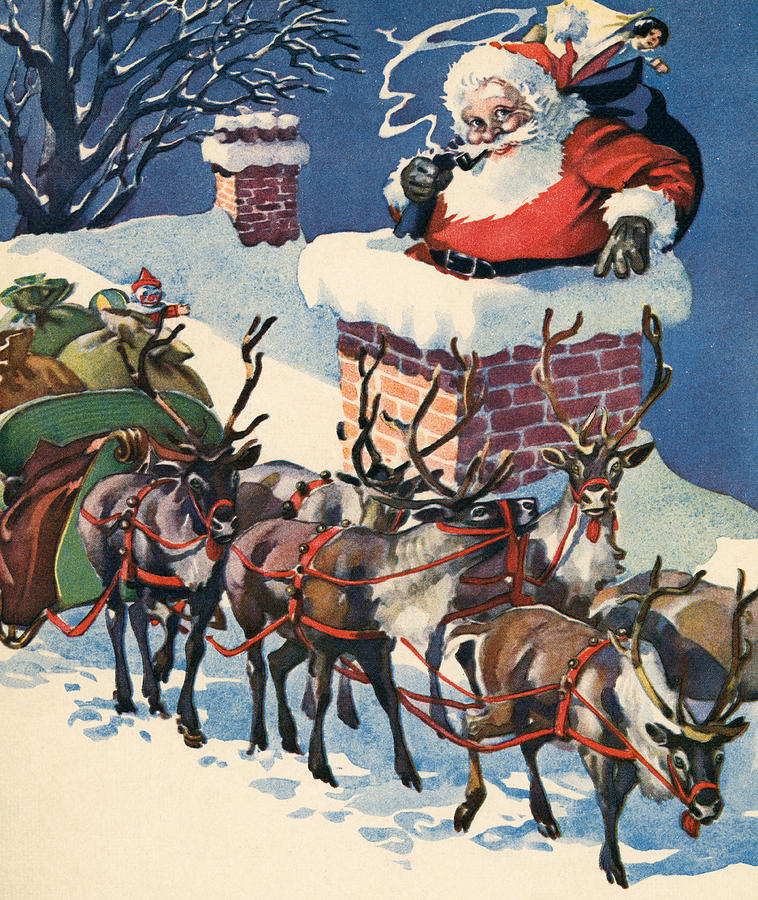
The image of the fireplace is closely tied to the legend of Saint Nicholas. In many countries, it is believed that he descends through the chimney to leave gifts under the tree or in stockings hung by the fireplace. This tradition originated in the Netherlands in the 16th century and spread across Europe and eventually to America.
Fireplaces in Christmas Traditions Across Cultures
Fireplaces have always been a part of holiday customs, but their role and symbolism vary in each culture. From legends to practical rituals, fireplaces blend Christmas magic with the warmth of home. Let’s explore how the fireplace became a festive centerpiece in different traditions.
The United Kingdom
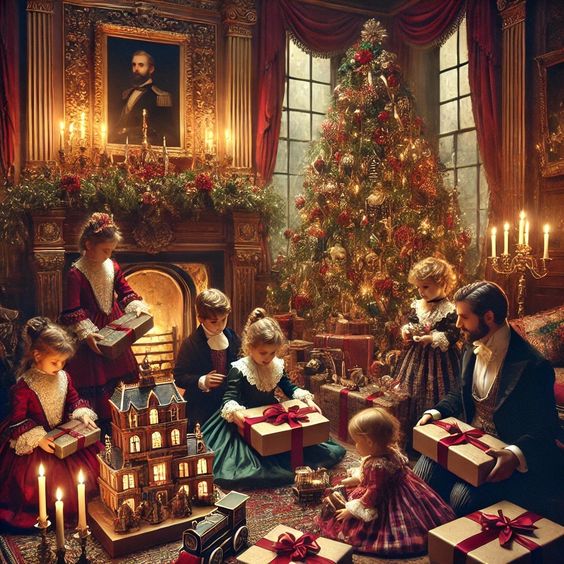
In the United Kingdom, the fireplace is a central element of Christmas décor. Stockings, garlands, and Christmas cards often depict the fireplace as a symbol of coziness. The tradition of hanging stockings dates back to the Victorian era. Additionally, festive evenings are often spent around the fireplace, adding warmth and magic to Christmas gatherings.
The United States
In American culture, the fireplace holds a special place in the festive atmosphere. Its popularity is largely influenced by literature and cinema. For example, in Clement Clarke Moore's poem "The Night Before Christmas" (1823), the fireplace is described as the place where Santa’s gifts are eagerly awaited. Many American households also make the fireplace a focal point for family traditions and shared evenings.
Scandinavian Countries
In Scandinavia, the role of the fireplace is enriched by the Yule log tradition. It is often kept burning throughout the holiday period, symbolizing the continuation of the celebration and the protection of the home from evil spirits. The fireplace is also decorated with Christmas ornaments and candles, creating a cozy and serene ambiance. In some regions, families gather around the fireplace to share Christmas tales and legends.
Germany
In Germany, the fireplace also plays a significant role in Christmas traditions. Holiday wreaths placed above the fireplace and advent calendars are integral parts of the décor. Some families maintain the custom of lighting candles on the fireplace while singing Christmas hymns. The fireplace also symbolizes family unity, as it is where everyone gathers to enjoy festive dinners or tea.
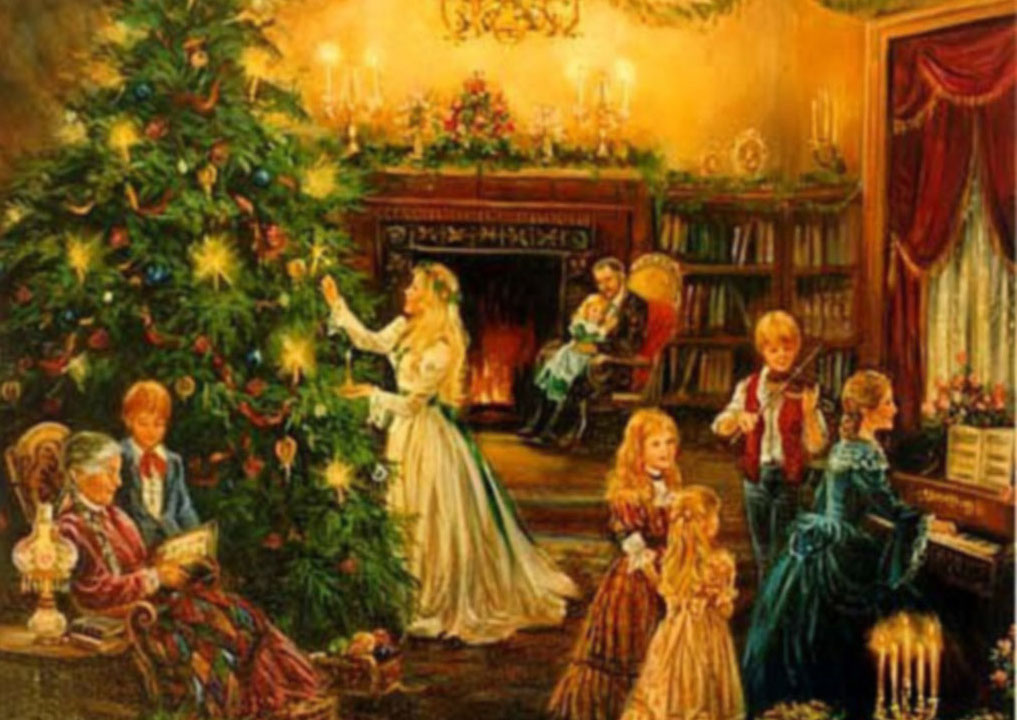
Fireplaces in Modern Christmas Stories and Media
Fireplaces often feature in holiday stories, books, and films, symbolizing warmth, unity, and the magic of Christmas Eve. Depictions of fireplaces in tales like "A Christmas Carol" by Charles Dickens enhance the festive atmosphere.
In modern films like "Home Alone" and "Elf", scenes near the fireplace highlight family coziness. The fireplace often becomes a spot for discovering gifts, sharing dreams, or resolving life’s questions. These moments add emotional warmth and depth to movies and books.
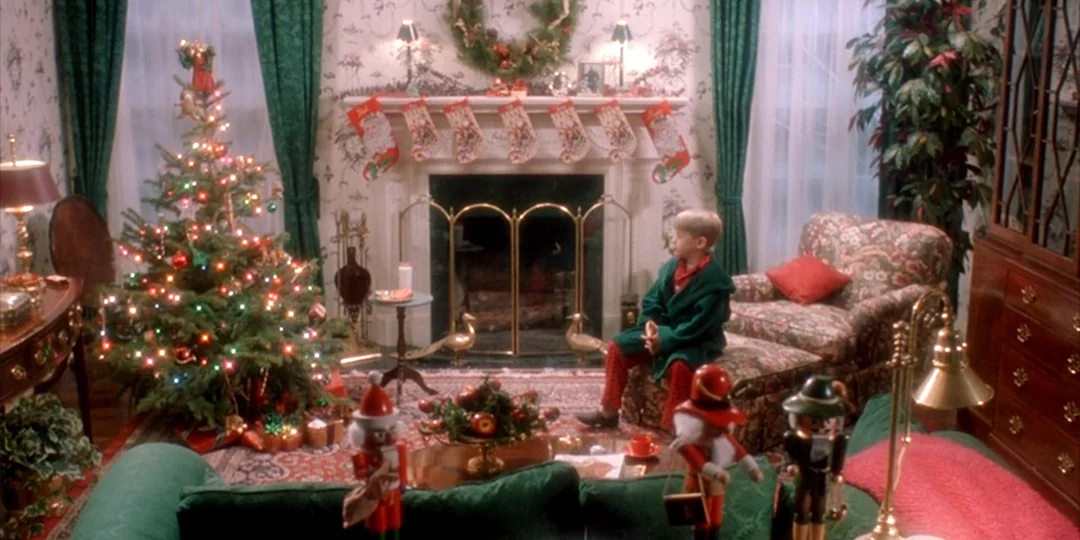
Furthermore, fireplaces frequently appear in holiday advertising. Major brands use their imagery to convey a sense of homey comfort and warmth, creating an emotional connection with viewers. For example, Christmas campaigns by Coca-Cola and John Lewis often feature fireplaces as a key symbol of holiday magic.
In literature, particularly children’s stories, the fireplace remains a source of Christmas miracles. Characters often make wishes while gazing at the flames or share enchanting tales near the fireplace, symbolizing a bond between generations as elders pass down warmth and traditions to the young.
The Stove in Ukrainian Christmas Traditions
In Ukrainian tradition, the stove was not only a source of heat but also the heart of family life. During Christmas, the stove played both a symbolic and practical role.
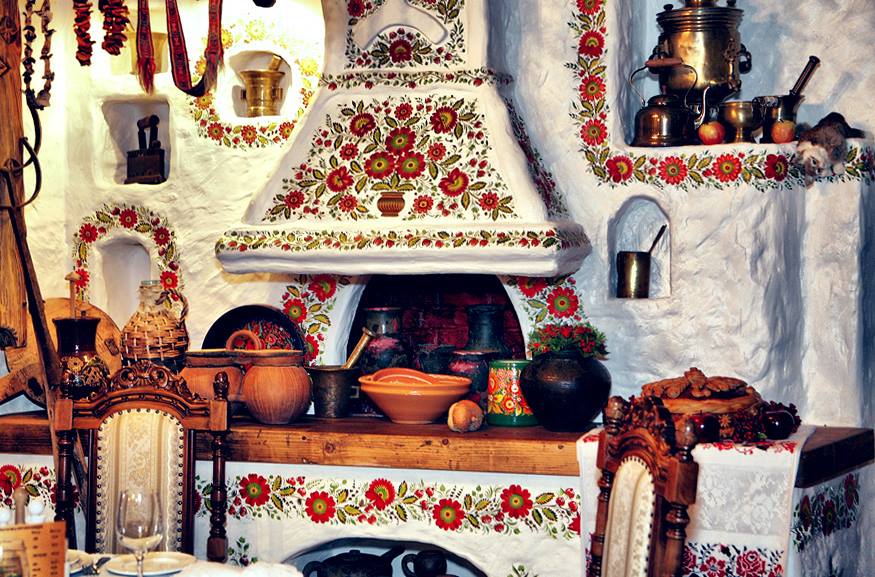
Christmas Eve by the Stove
On Christmas Eve, families gathered by the stove to prepare twelve traditional dishes. The stove imparted a unique flavor to kutia, uzvar, and other festive dishes. In many regions of Ukraine, it was customary to leave portions of food for the spirits of deceased relatives, who, according to beliefs, could “warm themselves” by the stove. A pot of kutia was often left near the stove overnight, along with bread, to “treat” ancestors.
Caroling and Rituals
During caroling, the stove was the centerpiece of the home, where hosts welcomed guests and distributed treats. Carolers sang songs near the stove, honoring it as the protector of the household. In some regions, grain was scattered near the stove to invoke prosperity and fertility for the coming year.
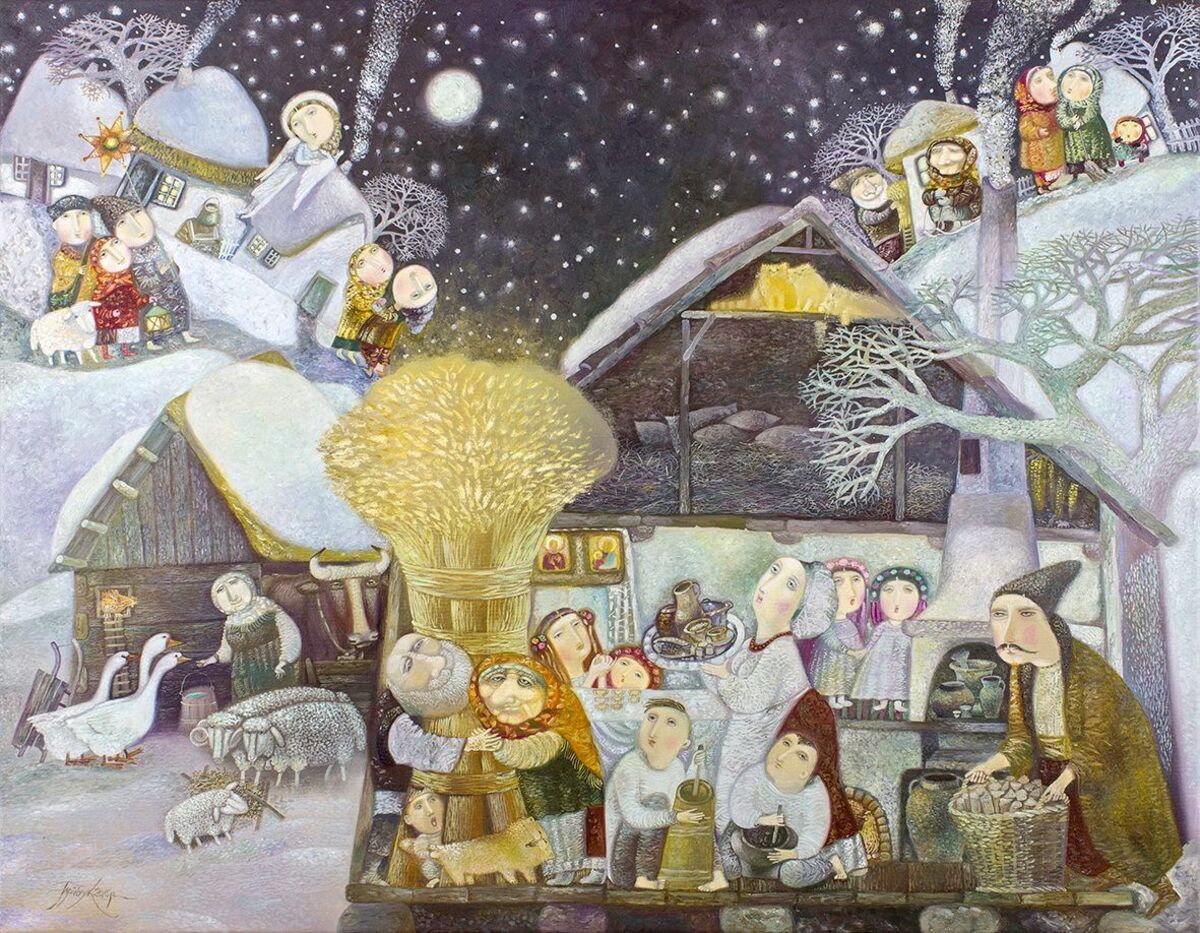
The Stove as a Protector
The Ukrainian stove symbolized well-being and comfort. During Christmas, it was adorned with embroidered towels, and a didukh—a symbol of harvest and prosperity—was placed nearby. The warmth of the stove was associated with family harmony and blessings. Children often fell asleep by the stove, listening to tales or stories about holiday miracles. In the evenings, as the flames flickered, adults reminisced about ancestors and shared plans for the new year.
The Stove's Magical Role
In folk beliefs, the stove was seen as a keeper of the household spirit. It was believed that good forces entered the home through the stove, which is why it received special attention during Christmas. A candle was left burning by the stove throughout the night, symbolizing hope and joy. Various rituals associated with the stove were performed to protect the home from evil forces.
Fireplaces and Stoves: Symbols of Coziness in the Modern World
Today, fireplaces and stoves continue to serve as central elements of Christmas décor. In many homes, they are adorned with festive garlands, candles, and figurines. The fireplace becomes a place for preserving family stories and creating new traditions.
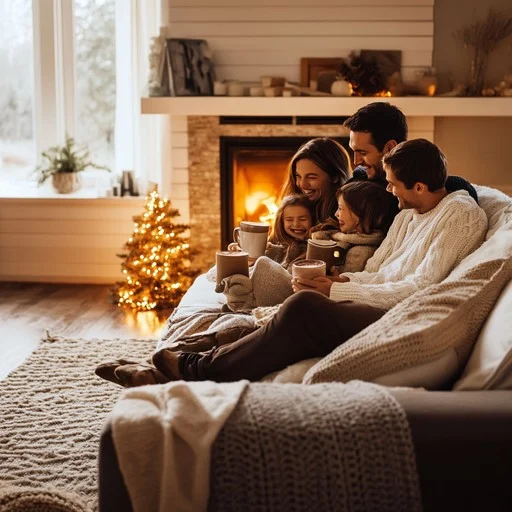
The return to using stoves, especially in rural areas of Ukraine, revives ancient customs associated with warmth and family unity. The Christmas season by the fireplace or stove remains a time when worries fade, and the magic of the holiday brings people closer together.