

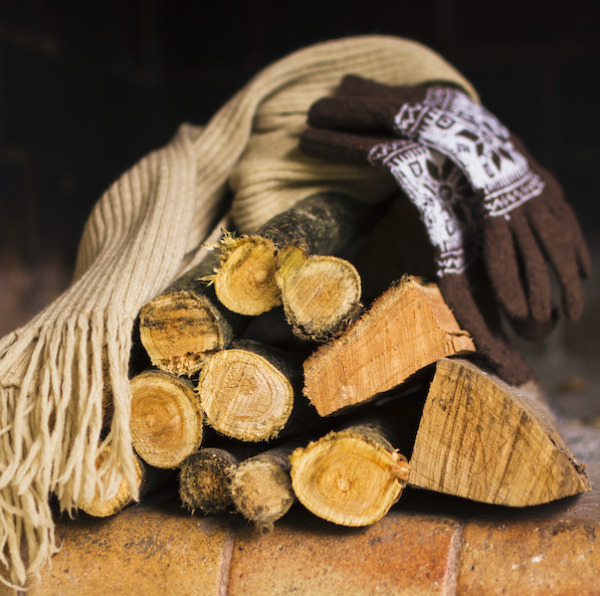
With the arrival of winter cold, wood-burning fireplaces and stoves become indispensable helpers in creating warmth and coziness at home. However, heating with a fireplace becomes truly effective and economical only if the right type of wood is chosen. Not all firewood is equally suitable for heating – its quality, density, and heat output affect not only the efficiency of the burning process but also the heating costs. Let’s explore the best types of firewood suitable for winter heating, and the main criteria for selecting them.
Firewood with High Heat Output
One of the main parameters to consider is the heat output of the wood – that is, the amount of heat released during combustion. Typically, hardwood varieties have the highest heat output, making them the most popular choice for winter heating.
1. Oak – one of the best options for heating. This wood is very dense, has high heat output, and burns for a long time, emitting steady and even heat. Oak firewood is ideal for fireplaces and stoves that require long-lasting burn. The only downside is that oak requires a long drying time and is also more expensive compared to other woods.
2. Hornbeam – another excellent choice for winter heating. Its dense structure ensures long burning times and a large amount of heat. Hornbeam firewood is very popular for its high efficiency, but it is also difficult to dry.
3. Ash – this type of wood is ideal for fireplaces due to its pleasant aroma and good burning properties. Ash wood produces a bright, intense flame while releasing a lot of heat, although its burn time is slightly shorter than that of oak or hornbeam.
4. Maple – maple wood is also known for its high heat output and long burning time. It is a popular wood for fireplaces because it provides stable heat and easily catches fire.
Firewood for Quick Ignition
In addition to the main fuel, for effective ignition of a fireplace, you will need firewood that ignites quickly and helps maintain the fire. The following types are ideal for this purpose:
1. Birch – although not as hard as oak or hornbeam, birch contains a high amount of resin and burns with a bright flame, emitting enough heat. Birch firewood is popular for its easy ignition and pleasant aroma.
2. Poplar – used for quick ignition, though it doesn't produce much heat. Poplar firewood is often added to maintain the fire during the initial lighting of the fireplace or stove.
How to Choose Firewood for a Fireplace
To ensure the maximum efficiency of your fireplace or stove, it is important to consider not only the type of wood but also other key factors.
1. Dryness of Firewood. The moisture content of wood significantly impacts its heat output. The best choice will be firewood with a moisture content of up to 20% because dry wood burns longer and releases more heat. Freshly cut firewood requires at least one year to fully dry, and this process should be done in a well-ventilated area or under a covered shed.
2. Wood Density. The denser the wood, the longer it burns. Hardwoods like oak, hornbeam, and ash provide longer and more stable burning compared to softwoods like pine or poplar.
3. Wood Compatibility. For easier ignition of your fireplace or stove, you can combine hard and softwood types. For example, starting with birch or poplar for quick ignition, you can later add oak or hornbeam firewood for long-lasting, stable heat.
Benefits of Using Quality Firewood for a Fireplace
Choosing firewood with high heat output allows you not only to save on heating costs but also ensures long-burning and stable heat, which is important during the cold months. Using the right types of wood helps reduce the amount of smoke and harmful emissions in the air, which positively impacts the environmental friendliness of the heating system.
By understanding the different types of wood, their properties, and proper storage methods, you can create a heating system that operates efficiently and economically, ensuring comfort during the winter months.