

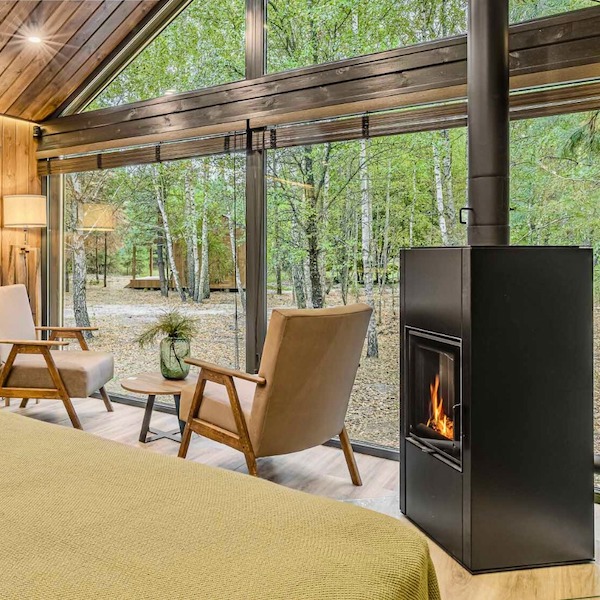
The modern world is paying more and more attention to environmental aspects in all areas of life, and home heating is no exception. Wood-burning fireplaces, a traditional way of creating warmth and comfort, have become the subject of numerous discussions about their environmental impact. Is a wood-burning fireplace a threat to nature, or can it become an eco-friendly alternative to gas heating? In this article, we will examine the main myths and realities about the environmental friendliness of fireplaces and explain how to use them properly to reduce emissions.
Myths About Wood-Burning Fireplaces
Wood-burning fireplaces are often criticized due to stereotypes about their eco-friendliness. Here are some common myths:
- High Emissions Levels: There is a belief that wood-burning fireplaces pollute the atmosphere more than other heating sources.
- Lack of Energy Efficiency: It is thought that much of the heat escapes through the chimney and that wood burns inefficiently.
- Harmlessness of Traditional Models: Many assume that all fireplaces are the same, but this is not true. Modern models have a significantly lower environmental impact.
Reality: Modern Wood-Burning Fireplaces
Modern wood-burning fireplaces that meet ecodesign standards are highly efficient and environmentally safe. They:
- Reduce harmful emissions through secondary combustion.
- Have high efficiency, ensuring economical fuel use.
- Produce low levels of smoke thanks to improved combustion technologies.
How to Use a Fireplace Properly to Reduce Emissions
Proper operation of a fireplace can significantly reduce its environmental impact:
- Use dry firewood: The moisture content of the wood should not exceed 20%, as wet wood produces more smoke.
- Adjust the airflow: Excessive airflow can lead to rapid combustion and heat loss.
- Clean the chimney regularly: Regular cleaning ensures effective draft and prevents soot buildup.
Can a Wood-Burning Fireplace Be an Eco-Friendly Alternative to Gas Heating?
A wood-burning fireplace can become an eco-friendly alternative if chosen and used correctly. Key benefits include:
- Renewable fuel: Wood is a renewable resource, making it more eco-friendly than fossil fuels.
- Local resource: Using locally sourced wood reduces the carbon footprint from transportation.
- Independence from gas and electricity: A fireplace remains a reliable source of heat in remote areas or during power outages.
Ecodesign for Wood-Burning Fireplaces
Another important aspect of eco-friendliness is compliance with Ecodesign standards. These are a set of regulations governing emissions levels and energy efficiency of fireplaces.
What Is Ecodesign?
Ecodesign 2022 is an EU initiative aimed at improving air quality and reducing pollution levels. Key provisions include:
- Low emissions levels: Limits on emissions of particulates, carbon monoxide, nitrogen oxides, and organic compounds.
- High efficiency: Fireplaces must have an efficiency of at least 80%.
- Seasonal energy efficiency: Products must meet energy consumption requirements throughout the heating season.
SAVEN Fireplace Inserts with ECO Status
SAVEN fireplaces and stoves meet Ecodesign standards, as confirmed by independent testing. Key benefits include:
- High efficiency: SAVEN inserts achieve over 80% efficiency.
- Low emissions levels: Thanks to double deflectors and secondary combustion technology, these fireplaces reduce toxic emissions.
- Environmental safety: Compliance with BImSchV Stufe 2 and Ecodesign standards makes these models environmentally safe.
SAVEN inserts and stoves combine modern technologies, thoughtful design, and environmental responsibility. Installing them is not just a step toward comfort but also a contribution to preserving nature.
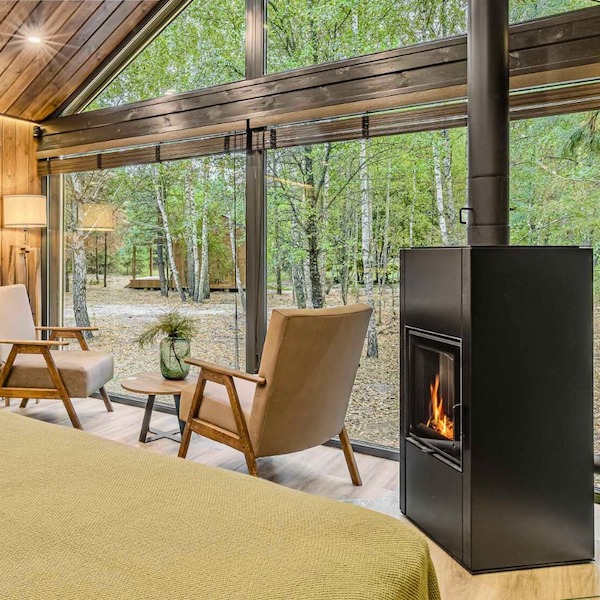
Thus, wood-burning fireplaces can be an eco-friendly alternative to traditional heating systems if Ecodesign standards are met and the fireplace is used correctly. Modern fireplace models, like those from SAVEN, show that today's technologies allow combining comfort, cost-efficiency, and environmental responsibility.