

 Straight steel fireplace inserts
 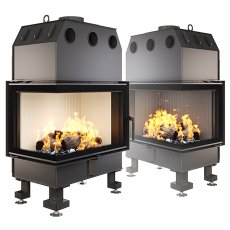 Corner steel fireplace inserts
  Fireplace inserts with guillotine
 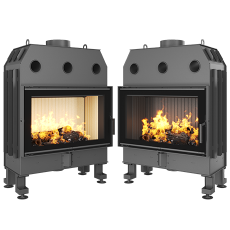 Steel fireplace Balance
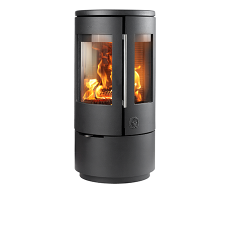
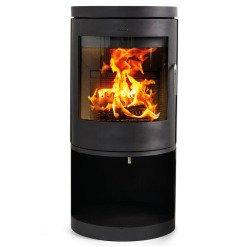
 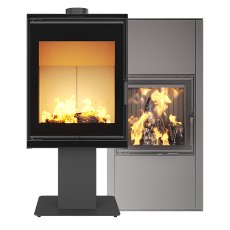 Steel fireplace stoves
 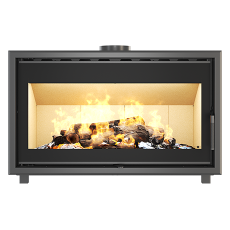 Fireplace cassette insert
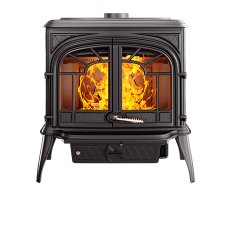
  Cast iron fireplaces and stoves
 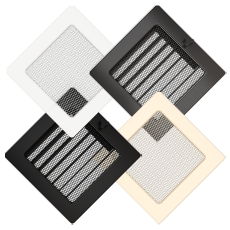 Fireplace ventilation grilles CLASSIC
 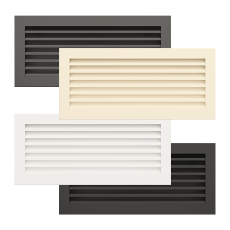 Fireplace ventilation grilles HIDE
  Fireplace ventilation grilles LOFT
  Fireplace ventilation grilles LOFT ANGLE
 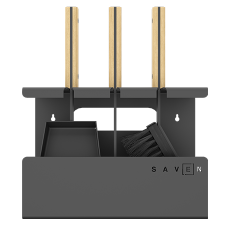 Accessories
  Chimneys
  Decorative frames
 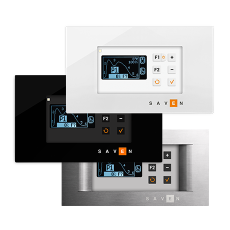 Fireplace Automation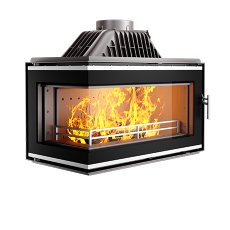
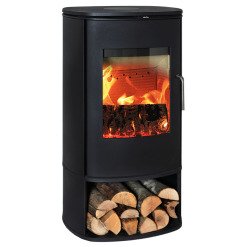
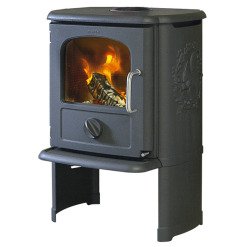
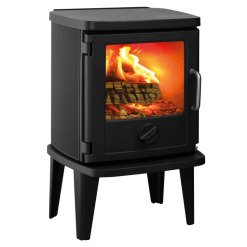
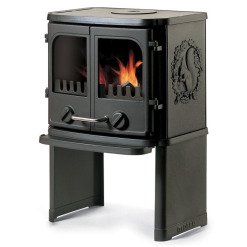
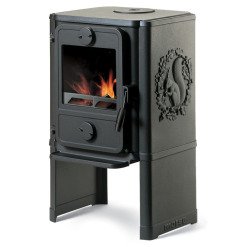
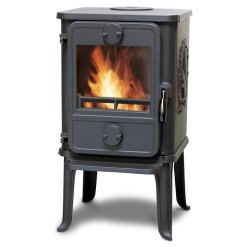
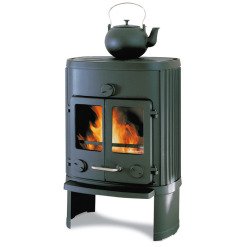
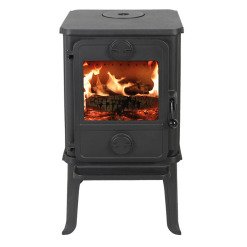
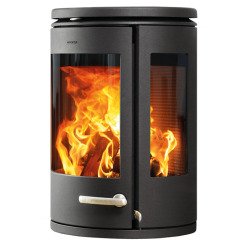
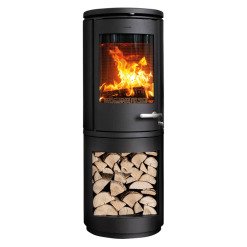
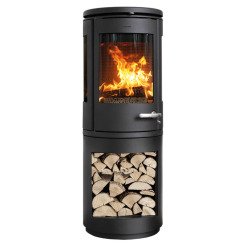
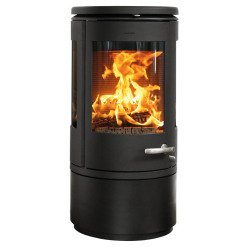
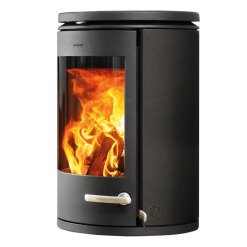
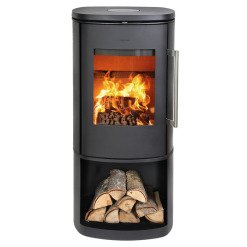
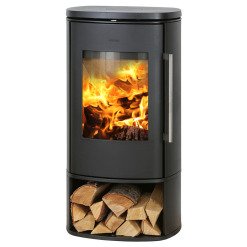
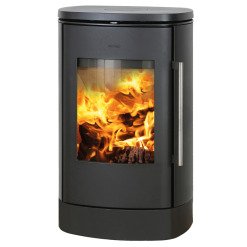
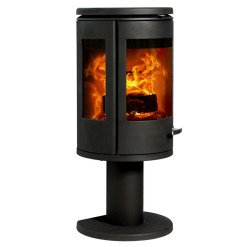
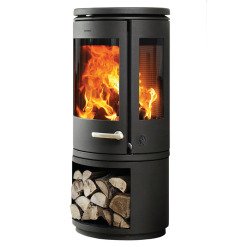
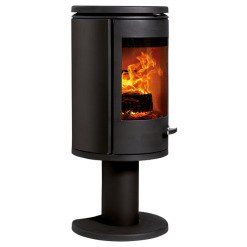
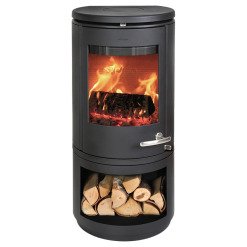
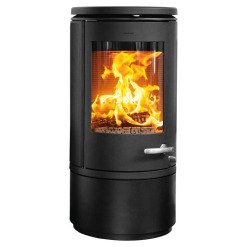
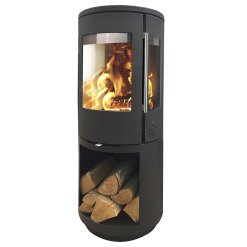
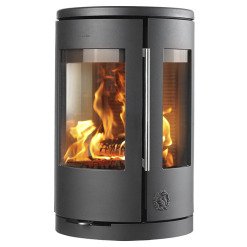
Cast iron fireplace insert of convection type Kawmet: how to choose and where to buy a cast iron insert
Cast iron fireplace insert is the heart of a fireplace. Its proper choice determines how quickly it will warm your home and how long it will retain heat. Buying a cast iron fireplace is a wise investment in the comfort and warmth of your home.
But before choosing a fireplace insert, you should understand which one is right for you. To do this, you need to know the types of cast iron inserts, their characteristics, how they work, and how they differ from other fireplace inserts.
So if you’ve decided to buy a fireplace insert, this article will help you make the right choice and understand all the nuances of the "fireplace matter."
Buying a fireplace insert: mission accomplished
Let's start with the fact that fireplace inserts come in various types, from electric and bio-fireplaces to classic wood-burning inserts. Electric and bio-fireplaces are mostly chosen by apartment owners since they don't require a chimney connection. If you want a real flame and the pleasure of a burning fireplace, it's better to choose the classic option and buy a wood-burning insert.
A fireplace insert is the main element of a fireplace where fuel combustion actually occurs. Therefore, many factors depend on its choice: heating area, fuel type, operating mode, appearance, etc.
So, when choosing a fireplace insert, there are several rules that we will introduce to you in detail throughout this article. Here are the main ones in brief:
- Determine the insert material (the most popular options are cast iron or steel)
- Choose the fuel type (inserts mainly run on solid fuel - firewood)
- Consider all characteristics and parameters to determine which insert is suitable for your premises (this includes power, efficiency, dimensions, weight, etc.)
- Choose a design (open or closed insert, corner, three-sided, with straight or side glass, tunnel, etc.)
Advantages and disadvantages of a cast iron fireplace insert
Cast iron is considered one of the best materials for manufacturing fireplace inserts for homes and cottages. Its main feature is maximum heat capacity and thermal inertia. In simple terms, a cast iron fireplace insert heats up faster and retains heat longer after the fire goes out.
Furthermore, a cast iron insert spreads heat through the room more softly and smoothly. Thus, the room warms up evenly, and the temperature remains comfortable for many hours, even when the fireplace is no longer burning.
The ribbed surface of a cast iron insert can heat a larger area. And thanks to its high efficiency, a cast iron insert will heat not only the room it is located in but also adjacent rooms.
Another advantage of cast iron inserts is their resistance to temperature changes. The wall thickness of a cast iron insert is 8-14 mm, which allows for maximum accumulation of heat produced by the fireplace.
Disadvantages of a cast iron insert include its price—high-quality vermicular cast iron costs more than steel. But considering its advantages, this price justifies itself.
Difference between cast iron and steel fireplace inserts
Besides the material, cast iron and steel inserts have several differences worth considering when choosing an insert for a home or cottage. Let's compare steel and cast iron inserts by basic parameters and learn:
RULE 1: Choosing the insert material
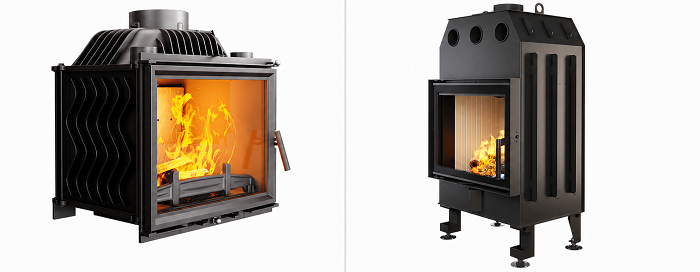
Efficiency and heating area of a fireplace insert
The main difference between cast iron and steel fireplace inserts is efficiency (COP) and heating area. In other words, they differ in heating time and the area they can heat up quickly. In these parameters, the cast iron insert is the clear leader.
Cast iron heats up faster and retains heat longer. Heat from a cast iron insert spreads more softly and smoothly. With less firewood burned, a cast iron fireplace insert can heat a larger area than a steel one with the same amount of fuel.
Energy efficiency of a fireplace insert
Both cast iron and steel inserts heat up quickly. However, the main difference is felt when the fire goes out. A cast iron insert will retain heat much longer than a steel one, which cools down almost immediately.
| Cast iron fireplace inserts | Steel fireplace inserts |
| heat up quickly | heat up very quickly |
| retain heat for a long time and cool down slowly | cool down quickly, heat doesn't last long |
Maintenance features of a fireplace insert
Another advantage of a cast iron insert over a steel one is ease of maintenance. A cast iron fireplace insert requires no special care. It is enough to occasionally wipe the body with a damp cloth. Since cast iron is neutral to chemicals, soot does not accumulate on the insert walls.
In contrast, steel fireplace inserts have to be treated with chemical agents to remove soot from the walls.
Additionally, KAWMET cast iron inserts are equipped with a "clean glass" system—air in the insert is supplied from top to bottom and burns. When it enters the combustion chamber, it washes the glass and is used for the combustion process, then exits through the chimney.
| Characteristics | Cast iron insert | Steel insert |
| Efficiency | higher | lower |
| Heating area | larger | smaller |
| Heating speed | moderate | fast |
| Energy efficiency | retains heat up to 10 hours | cools down quickly |
| Maintenance | neutral to chemicals, soot does not accumulate on walls | requires chemical treatment to remove soot |
| Design | one-piece casting, limited design options | steel is flexible, offering many design variants |
| Price | cast iron is one-piece, making production simpler and cheaper | steel is more expensive and brittle, making production more complex |
Cast iron fireplace insert: characteristics, parameters, and types
Once the material is chosen, it's time to clarify other parameters. Specifically, what types of cast iron inserts are there, how do they differ, and how to buy a cast iron insert that fits your home perfectly.
Components of a cast iron fireplace insert
Any cast iron fireplace insert construction includes the following elements:
- base - a one-piece cast iron structure;
- walls - made of cast iron. The number of walls depends on the model;
- chimney - designed to vent smoke formed during fuel combustion;
- door - made of heat-resistant glass, allowing you to watch the flame;
- grate - used for cold air intake and displacement of heated air into the room;
- damper - a special valve in the chimney pipe that regulates draft and fire intensity.
Types of cast iron fireplace inserts
So, RULE 2: Choosing the insert type. By type, cast iron inserts are divided into closed and open.
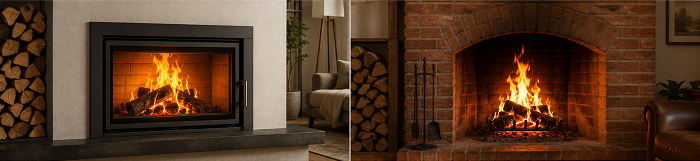
Open fireplace inserts
Open-type cast iron inserts are quite simple in construction and principle. The room is heated by radiation from the open wood fire and partially from the heated walls of the insert itself.
The plus of such an insert is its beautiful and cozy look, but if you have children or pets, such a fireplace can be dangerous. Also, the efficiency of open inserts does not exceed 30%. The insert cools down immediately after the fire goes out.
Closed fireplace inserts
Today, closed fireplace inserts are the standard. They function on the same principle—firewood burns inside. However, heating occurs not by the fire itself but thanks to a system that uses hot air from combustion and accumulates it inside the structure (between the fireplace walls and its insert).
A closed insert retains heat longer, even when the fire goes out. The efficiency of such a cast iron insert is within 80-90%. Additionally, cast iron fireplace inserts with glass protect against open flames.
What are the types of cast iron inserts
RULE 3: Deciding on the insert type. Cast iron inserts differ not only in size and efficiency but also in appearance and placement.
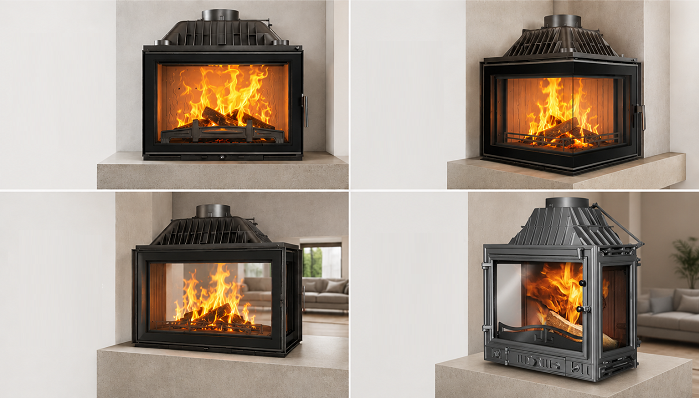
Usually, cast iron fireplace inserts are divided into:
- Straight cast iron inserts - classic straight closed inserts equipped with straight glass and mounted on a straight wall in the center of the room.
- Corner cast iron inserts - a popular model that looks non-standard and saves space. Mounted in the corner with side glass, allowing a view of the fire from two sides.
- Three-sided cast iron inserts - an improved model with fire visible from three sides—front, right, and left.
- Tunnel cast iron inserts - inserts where fire is visible from front and back. Installed into interior partitions, appearing in two rooms at once.
What to look for when choosing a cast iron fireplace insert
RULE 4: Studying insert characteristics. Before buying a fireplace insert, customers usually consult with a manager. Here are the main fireplace insert characteristics to understand:
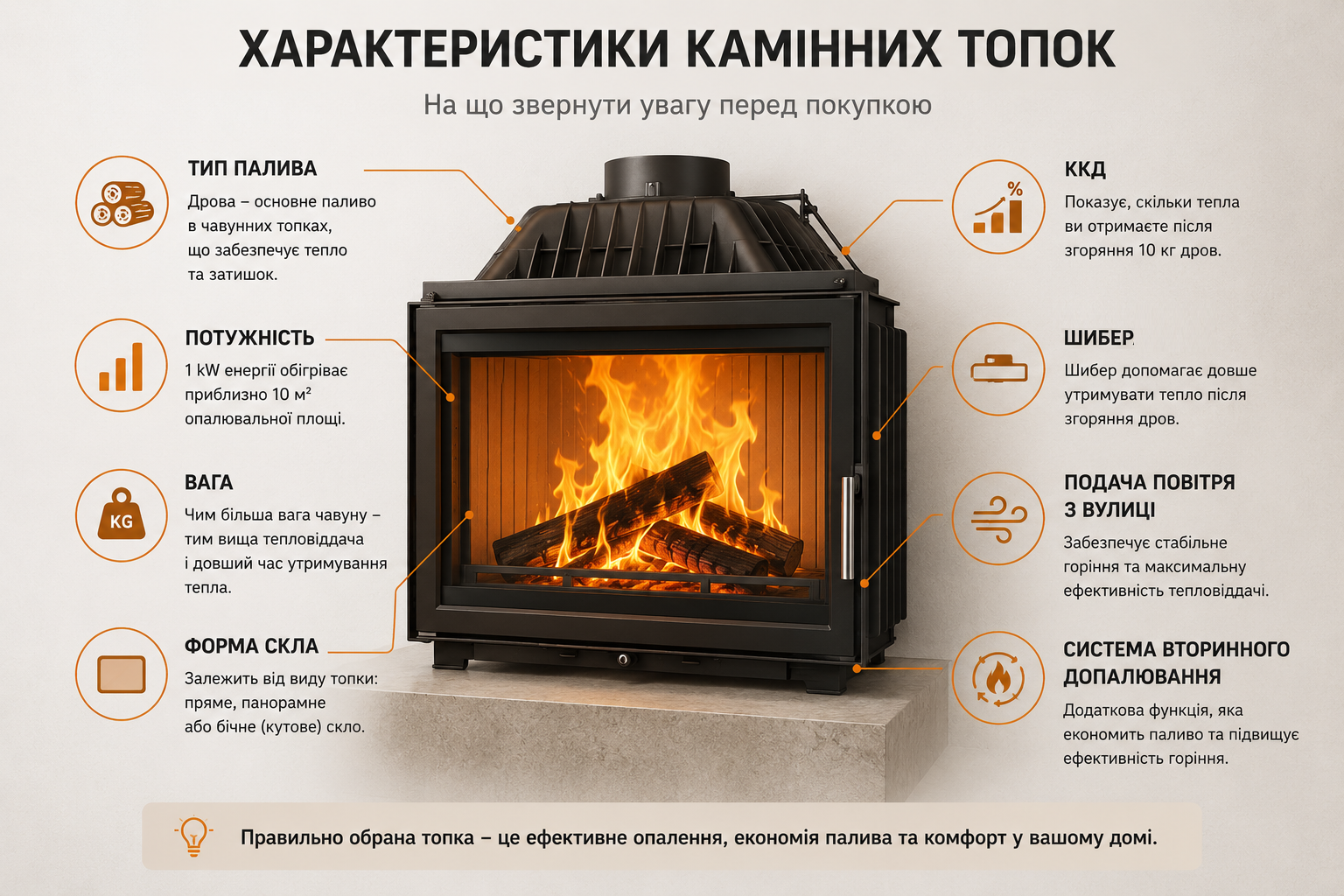
- Fuel type. In cast iron inserts, firewood serves as fuel.
- Power. The most important characteristic, meaning the ability to heat a maximum area. Formula: 1 kW of energy = 10 sq. m of heated area.
- Weight. The heavier the cast iron, the greater the heat transfer and heat retention time.
- Glass shape. Can be straight, panoramic, or side (corner).
- Efficiency (COP). Indicates how much heat and power you get from burning 10 kg of wood.
- Damper presence. Helps retain heat longer after combustion.
- External air supply. Keeps the flame supported for maximum efficiency.
- Secondary combustion system. An additional function that helps save fuel.
What power to choose for a fireplace insert
RULE 5: Calculating insert power. Power should be chosen based on:
- room area;
- installation purpose (main heat source or decorative element).
Calculation formula: 1 kW energy = 10 sq. m heated area.
Also check:�
1. diameter of the insert;�
2. weight of the assembled product;�
3. length of the chimney pipe.
If you're unsure, it's better to trust professionals. You can order a free home visit from a technician who will conduct calculations and advise on the best options.
Kawmet cast iron fireplace inserts
Kaw-met has its own cast iron foundry in Poland and exports to dozens of European countries. It is a market leader in fireplace inserts, stoves, and cast iron products.
Main advantages of Kawmet cast iron inserts:
- latest production technologies;
- high-quality cast iron;
- energy efficiency and economy;
- safety;
- clean glass system and external air supply;
- stylish design and attractive price.
Technical specifications of Kawmet cast iron inserts
| Characteristics | Air heating inserts | Water jacket inserts |
| Manufacturer | Kaw-Met (Poland) | Kaw-Met (Poland) |
| Fuel type | Solid (firewood) | Solid (firewood) |
| Material | Cast iron | Cast iron |
| Nominal power | From 9.4 kW to 19.4 kW | From 18 kW to 25.3 kW |
| Warranty | 60 months | 60 months |
Note: all Kawmet devices are long-burning fireplaces, meaning one load of wood lasts for several hours of autonomous operation.
Top-3 most popular Kawmet cast iron insert models
1. Kawmet W6: Best value for money for homes up to 100 sq.m.�
2. Kawmet W17: Excellent solution for large areas up to 160 sq.m.�
3. Kawmet W16: Features a wide glass (722 mm) to enjoy the view of the flame.
Where to buy Kawmet cast iron inserts
You can buy a Kawmet cast iron insert in our online fireplace store or visit our store in Lviv, Luhanska St, 1B.
Buying from us means professional consultation, official warranty, and full turnkey installation service.
For consultation, call: +38 (067) 482-79-41 or +38 (050) 424-30-41